
We often get asked, as osteopaths and physiotherapists , ‘what is the best exercise to be doing? Should I focus on strength or mobility?
The usual response is moving your body doing what you enjoy – movement is always better than not moving and if you find it fun (or at least tolerable!) then you are more likely to be able to sustain it longer term.
There’s no point saying you need to swim 3 times a week if you hate swimming. You’ll do it for a few weeks, then the dark nights draw in, and the idea of shivering in a wet swim suit can’t really compete with a cup of tea in your comfys at home!
But whereas some exercise is better than no exercise, if you do want to be a bit more targeted about it, then we need to look at two pillars of keeping your body healthy.
Our bodies need both mobility and strength to move well, perform everyday activities and cope with the demands we place on them.
Whether you’re recovering from an injury, returning to exercise, managing aches and pains, or simply wanting to stay active as you get older, developing both can be an important part of your overall health.
What is mobility?
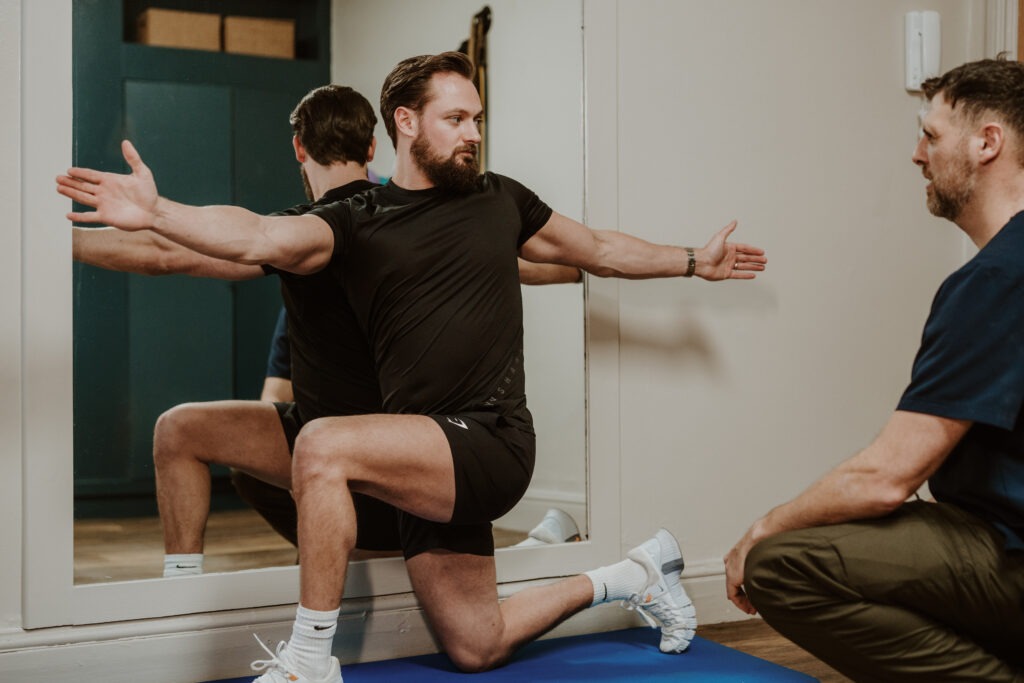
Mobility is being able to move you r body and joints, in a full range of movement, with strength and control, needed for daily life and your own personal fitness goals. It’s a bit different to flexibility which focuses on the ability to stretch but not always about the functional movement or control.
Mobility is vital for performing everyday tasks:
- Getting up and down from a chair
- Reaching overhead
- Squatting down
- Bending and turning
- Walking and climbing stairs
- Getting in and out of a car
- Participating in sport and exercise
What is strength?
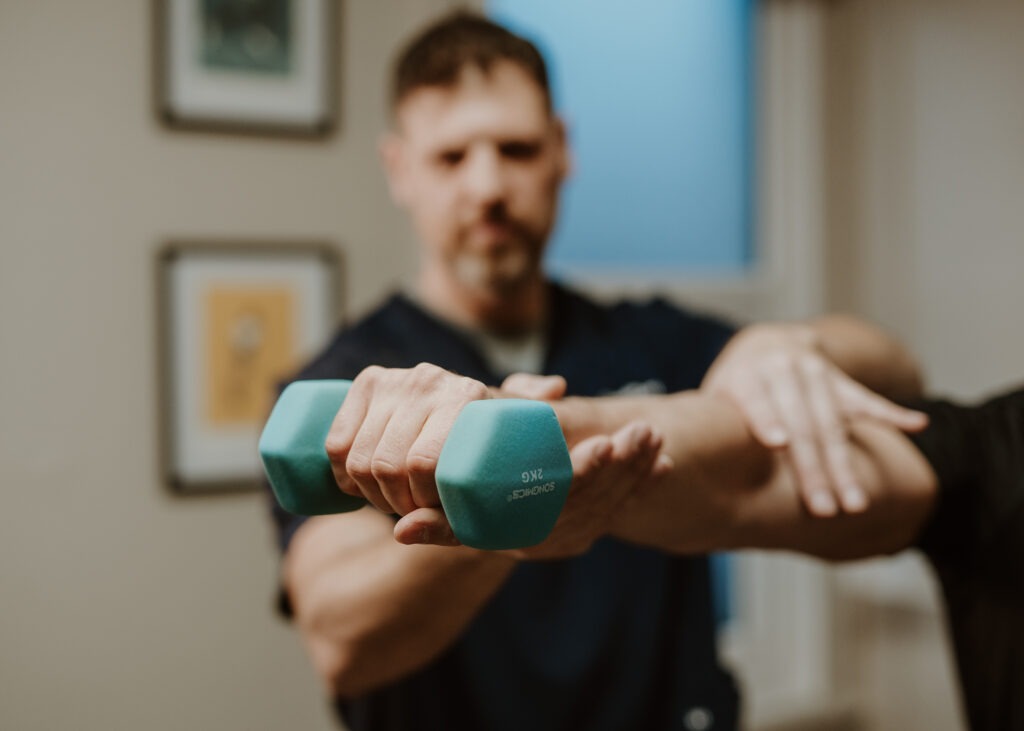
Strength is your body’s ability to produce force. When we talk about building strength, you might think about lifting weights, building big muscles or going ot the gym, and that puts some people off.
But actually, we all need strength to perform daily tasks, it supports our mobility and is vital as you age.
Getting out of bed, carrying shopping, lifting a child, climbing stairs, gardening and walking all require strength.
Maintaining strength can also help you continue doing the activities you enjoy as you get older.
In fact grip strength (used to predict overall body strength) is a reliable indicator of predicting your overall health, your biological age, functional decline and overall mortality risks, better than many other clinic tests. So strength really matters!!!
Why do we need both?
Think of mobility as having access to movement and strength as having the capacity to control and use that movement. They go hand in hand.
Having good mobility without enough strength or control can make certain movements more difficult.
Likewise, having plenty of strength but limited mobility can restrict how comfortably and efficiently you move.
Simply stretching to improve mobility won’t work.
One without the other is not ideal for a healthy, functional body.
The aim is to have a balance on mobility and strength that is needed for health, your lifestyle and the activates you want to do – and keep doing, into the future.
What happens as we get older?
Changes in strength and mobility are a normal part of ageing, but that doesn’t mean that becoming stiff and weak is inevitable.
Regular physical activity can help us maintain muscle strength, movement and physical independence.
This becomes particularly important as we get older because strength and balance contribute to our ability to manage everyday activities and respond to unexpected challenges, such as losing our balance.
You don’t have to become a serious gym-goer to benefit.
Walking, resistance exercises, bodyweight movements, balance exercises and activities you enjoy can all contribute to maintaining physical capacity.
How we can help
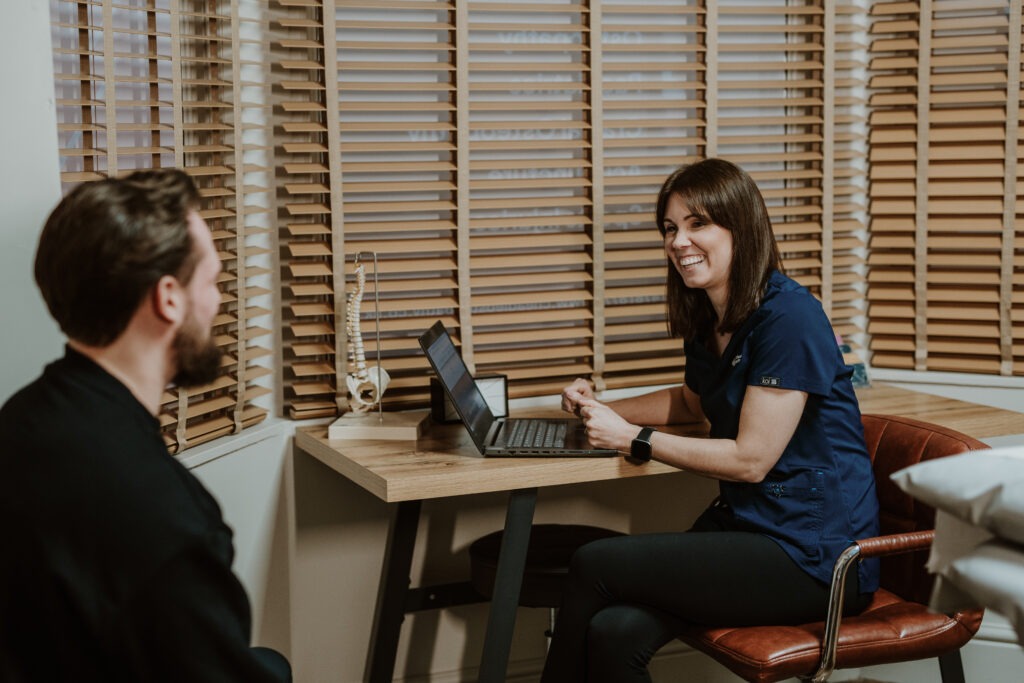
Many people assume that if they feel stiff, some stretching will help alleviate the stiffness and discomfort. Maybe you’ve tried this at home and it helps for a short time and then the stiffness builds up again.
We need to shift the focus to mobility and strength – for your lifestyle and tailored to your lifestyle and goals.
That’s when it can be helpful to reach out to one of our osteopaths / physiotherapists. We can assess where you need to improve mobility and strength to give lasting improvements in your symptoms. We aren’t just looking at short term relief but longer-term health and well-being too.
What does a balanced approach look like?
A well-rounded movement routine can include several different elements.
Mobility
Move your joints regularly and explore comfortable ranges of movement.
This could include gentle mobility exercises, yoga/ Pilates, walking, or simply changing position regularly throughout the day.
Strength
Include resistance-based exercise appropriate for your current ability.
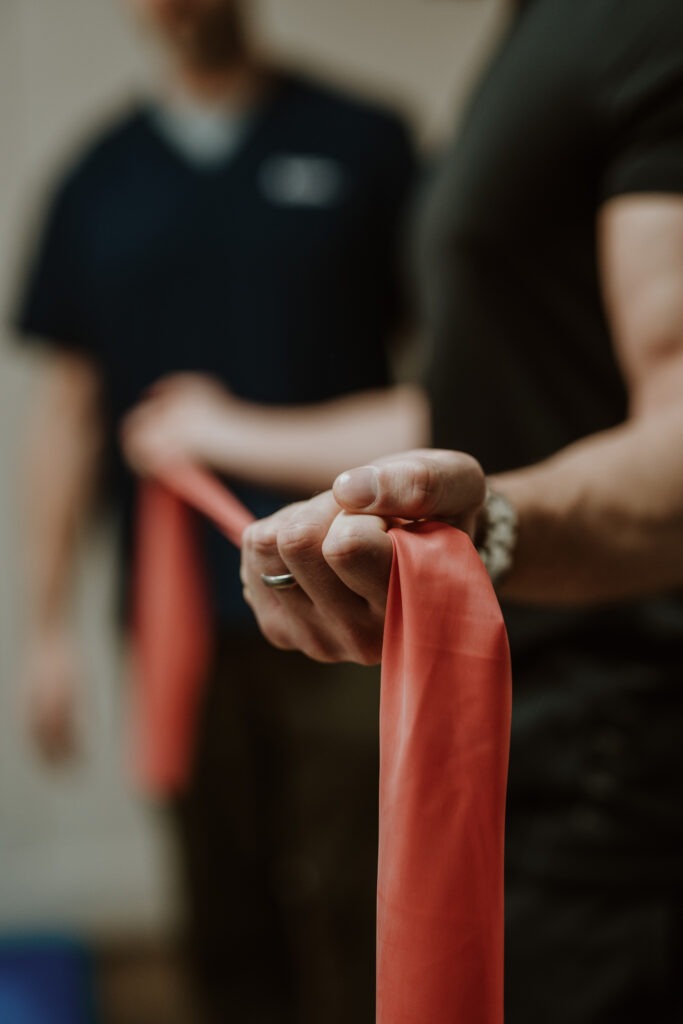
This might involve weights, resistance bands, machines or bodyweight exercises. Speak to your therapist who can advise on the right starting point for yourself.
Balance and coordination
Particularly as you get older, practising balance and coordination can help you to maintain confidence and physical function.
Standing on one leg to brush your teeth is a good place to start!
Cardiovascular fitness
Walking, cycling, swimming or other aerobic activities can support heart and lung health and contribute to overall fitness.
Recovery
Your body also needs time to adapt.
Rest, sleep and appropriate progression are important parts of any exercise programme.
How much do you need?
There isn’t one exercise programme that is right for everyone.
The amount and type of mobility and strengthening work you need will depend on your age, current fitness, health, previous injuries, goals and the activities you want to do.
If you’ve been inactive for some time, starting small is often better than trying to do everything at once.
For example, you could begin with short walks and a few simple strengthening exercises and gradually increase the amount as your confidence and capacity improve.
Your osteopath / physiotherapist will be able to guide you.
What if you’re experiencing pain?
Speak to your osteopath / physiotherapist – pain doesn’t always mean something is causing damage – it can just mean something is new to we need to tweak the level you are working at.
Get expert advice on how to improve your strength and mobility without aggravating existing issues.
The takeaway
Mobility and strength work together.
Mobility gives you access to movement. Strength helps you control and use that movement.
You don’t need perfect flexibility or exceptional strength. What matters is developing enough mobility, strength and control to support the life you want to live.
Whether that’s playing with your children, gardening, walking the dog, returning to running, lifting weights or simply staying independent as you get older, maintaining both mobility and strength can help you keep doing the things that matter to you.
If you’re unsure whether you need to work on mobility, strength, or both, our physiotherapy and osteopathy team can help assess your individual needs and guide you towards an appropriate programme.